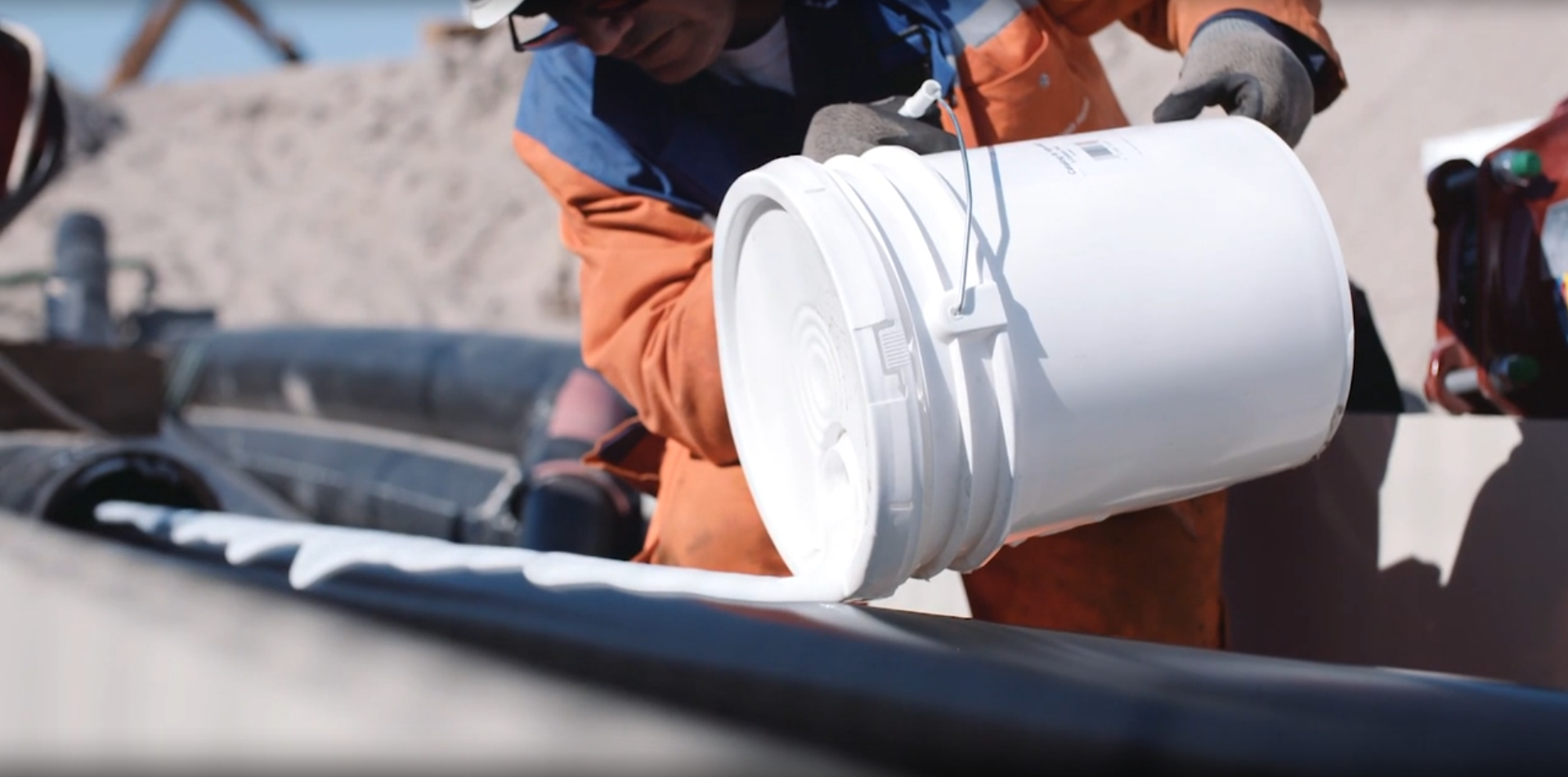
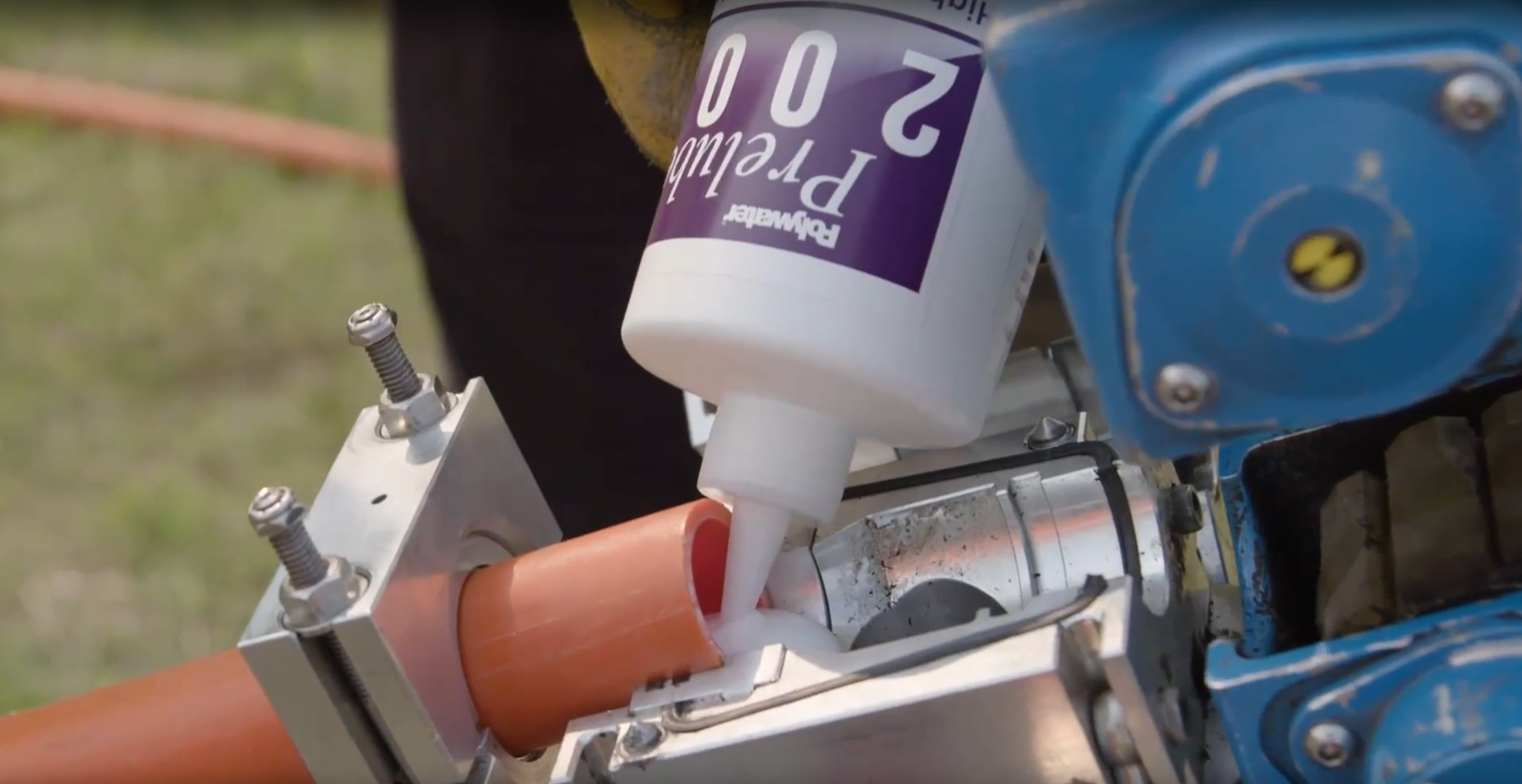
It’s a specialty product designed to slash friction as cable is hauled through a duct. By reducing friction, you lower the force needed for the pull, which protects the cable from excessive tensile stress.
Using a high-quality lube isn't just about making the job easier—it’s about protecting the asset. Benefits include:
Preventing Damage: Lower tension means less risk of stretching or tearing the cable jacket.
Easier Bends: It reduces sidewall pressure on corners, extending the life of the installation.
Efficiency: Lower tension allows for longer, uninterrupted runs with fewer splices and less wear on your winches and gear.
Safety: Reduced tension creates a safer site for your crew.
Short, straight pulls with lightweight cable might not need it. However, for long hauls, heavy cables, or runs with multiple bends, an effective lubricant is essential to keep tension within safe limits.
We can estimate pulling tension and sidewall pressure using physics-based equations. We look at cable weight, the run's layout (length and angle of bends), and the Coefficient of Friction (COF).
The coefficient of friction is a dimensionless value that represents the ratio of the force required to move a cable against the internal resistance of a conduit wall. In practical terms, it measures how "slippery" or "sticky" the interaction is between the cable jacket and the ducting.
The Formula: To calculate the coefficient, you divide the pulling force by the weight (gravitational force) of the object. CoF = Pulling Force (kg) ÷ Weight of Cable (kg)
Example: If a 10kg length of cable requires 5kg of force to begin moving it through a cable tray, the coefficient of friction is 5÷10, resulting in a CoF of 0.5.
Typical Values: For standard New Zealand electrical and data installations—using plastic or rubber-jacketed cables within metal or PVC conduits—typical friction coefficients generally range from 0.1 to 1.5.
Reducing friction is the most effective way to lower tension and protect your cable during an install. However, the impact depends on the layout of your run:
In Straight Horizontal Runs: Tension is directly linked to the CoF. This means a 50% reduction in friction results in an immediate 50% reduction in pulling tension.
In Bends and Sweeps: This is where friction management becomes critical. In a bend, the pulling force itself pulls the cable tight against the inner wall, creating an exponential increase in drag. In these sections, reducing your friction by 50% can actually result in a 90% reduction in tension through a 180-degree turn.
In cable pulling, the CoF isn’t a fixed number. It is determined by the specific combination of three factors: the lubricant used, the cable jacket material, and the conduit type (e.g., PVC vs. HDG Steel). To get an accurate tension estimate, you need to know all three.
Because there is no single industry "standard" for measuring friction in ducts, we rely on extensive real-world testing. Our data is built from thousands of friction tests on standard conduit types and validated by back-calculating results from actual site installations. To find the right CoF for your specific project, you can:
• Consult the Technical Data Sheets for our Polywater Lubricant range.
• Use our Polywater Pull-Planner™ software to estimate tension before you start the job.
The amount of lubricant needed depends on the surface area being coated. The Polywater Pull-Planner™ software calculates the precise volume required to ensure a complete, consistent coating on either the interior of the duct or the exterior of the cable jacket (or both). Because of this, the recommended quantity is directly proportional to The total length of the run and the diameter of the cable and the conduit.
Pro-Tip for NZ Contractors:
For Cable Pulling: Having a bit of "extra" lubricant is never an issue—it provides added safety against unexpected friction spikes.
For Cable Blowing: Precision is key. You must avoid over-applying, as excess lubricant can "puddle" in the duct and create air-flow resistance or blockages during the blow.
No. While the Coefficient of Friction (CoF) is vital, it isn't the only factor in a successful pull. To ensure a smooth installation, you must consider your environment and application method:
Application Method: Liquid lubricants are great for pouring into underground feeder tubes, but for overhead conduits, you’ll need a gel or specialty lubricant that defies gravity.
Temperature & Environment: NZ weather varies. You need a lubricant that won’t freeze in a South Island winter or thin out in the summer heat. Furthermore, if you are pulling through flooded or wet conduits, you require a lubricant specifically designed to maintain its properties underwater.
Most factors can be managed with good hauling procedures.
The "Bend Multiplier" Effect: The placement of bends in your run matters. Mathematically, a bend located near the end of a long haul creates significantly more tension than the same bend located near the start. Planning your haul direction is critical.
Dirty or Sandy Ducts: If a conduit is contaminated with silt, sand, or construction debris, the friction will spike. In many cases, the drag caused by dirt is so high that even the best lubricant cannot compensate for it. Always prove and sponge-clean your ducts before starting a major haul.
Heat and Jacket Softening: High temperatures make cable jackets (like PVC or XLPE) softer and "tackier," which naturally increases friction. On hot New Zealand summer days, try to schedule your hauls for the early morning.
Cable Blowing & Air Temperature: For long-distance fibre jetting, hot air from a compressor can soften the duct and cable. Using a compressor aftercooler is necessary to keep temperatures down and achieve maximum installation lengths.
In short: No. While these substances are slippery, they are not designed for cable installations and can cause permanent damage to your infrastructure.
Chemical Compatibility: Many common oils and soaps contain chemicals that react with cable jackets (such as PVC, PE, or XLPE). Over time, this can lead to swelling, weakening, or environmental stress cracking of the insulation.
Manufacturer Warranty: Using non-approved lubricants may void the cable manufacturer’s warranty. If you are unsure, always check the cable’s technical data sheet or consult the manufacturer.
Industry Standards: Professional-grade lubricants are tested against IEEE Standard 1210. This standard ensures the lubricant is chemically "neutral" and won't degrade the physical properties or electrical integrity of the cable jacket over its expected lifespan.
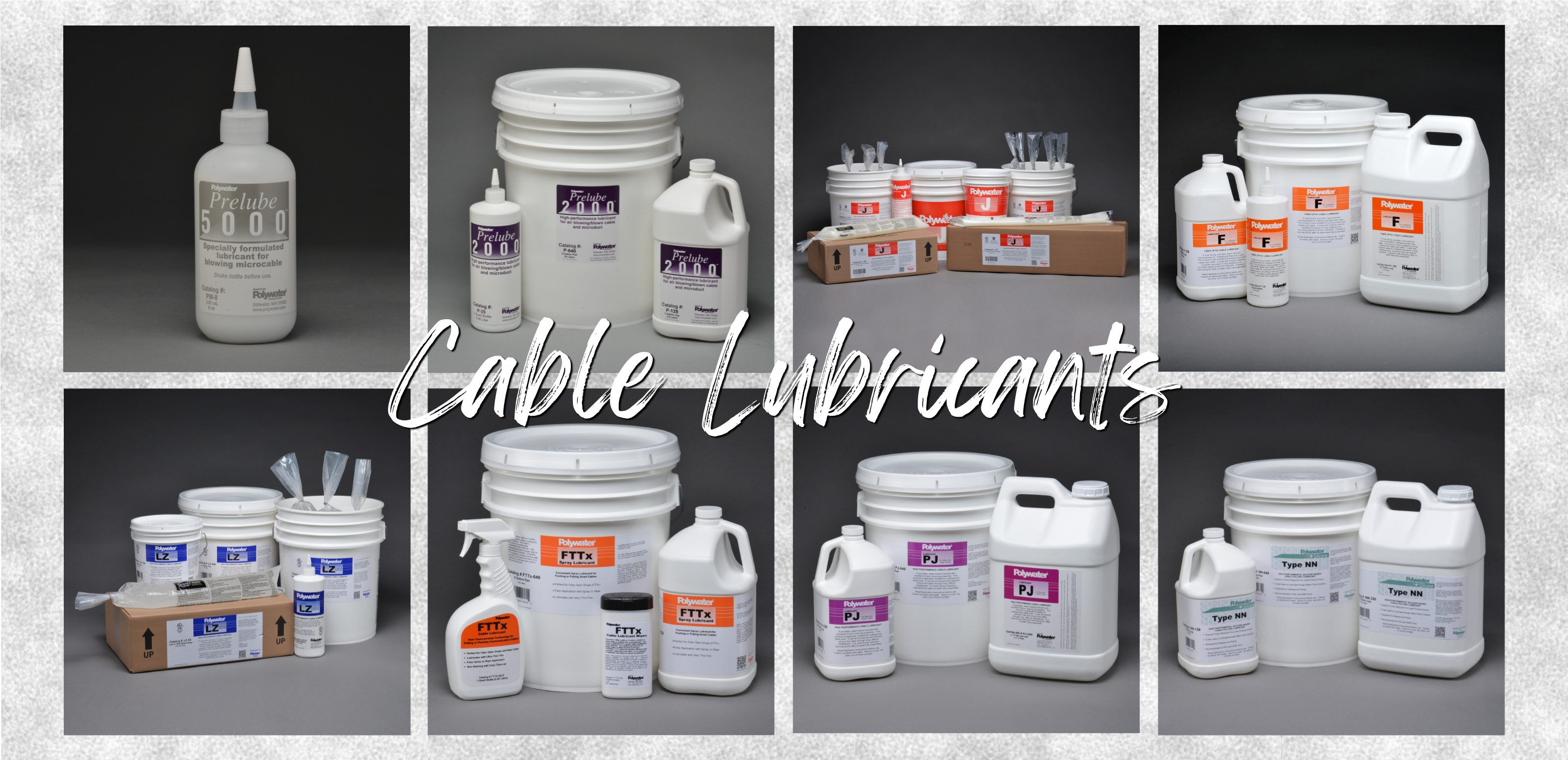
Yes, Polywater lubricants are compatible with both prelubricated cable and prelubricated conduit. Adding a specialty lubricant often significantly improves performance, especially on long or complex runs through difficult raceways.
Because pulling lubricants are conductive when wet, it is critical to thoroughly clean any residue from the cable ends and near splices before energising or conducting Megger tests. Residue left on the jacket itself (inside the duct) is not a problem.
While the equipment and onsite procedures for pulling and blowing are very different, they both share one common enemy: frictional resistance.
Cable Pulling: A winch or pull-cord applies force to the "head" (the front) of the fibre. This method effectively "tugs" the cable through the duct.
Cable Blowing (Jetting): A high-volume compressor creates a pressure differential, using air to carry the cable. This creates a "localised" force distributed along the entire length of the jacket, effectively "floating" it through the conduit.
Regardless of the method, the cable must overcome the drag of the duct wall. By using the correct lubricant to lower that resistance:
When Pulling: You significantly decrease the tension on the fibre core, preventing stretching or attenuation.
When Blowing: You significantly increase the distance you can achieve in a single "shot," reducing the need for mid-point pits and expensive joins.
In most cases, no. While both products reduce friction, they work in completely different ways. Using a standard pulling gel for a blowing (jetting) job can actually cause the installation to fail.
Pulling Lubricants (Wet): These are typically water-based gels designed to stay "wet" and slippery throughout the duration of the pull. You will see a visible coating on the cable as it emerges from the duct.
Blowing Lubricants (Dry-Film): These are designed to be applied in very thin, "molecular" layers. Because cable blowing uses high-velocity airflow, the water carrier in these lubricants evaporates quickly, leaving behind a high-performance dry film.
The Risk of Using the Wrong Product: If you use a thick pulling gel for blowing, the air velocity can cause the lubricant to "puddle" or create excess surface tension. This leads to air locks or a "sticky" effect that can stall the cable midway through the duct.
Originally published by American Polywater Corporation. Click here to see View Original Article.

Discover the top five advantages of installing cables in duct systems - improving reliability, safety, efficiency, and long-term performance.
READ MORE
Simulating"what-if" scenarios to prevent exceeding equipment and cable tension limits.
READ MORE
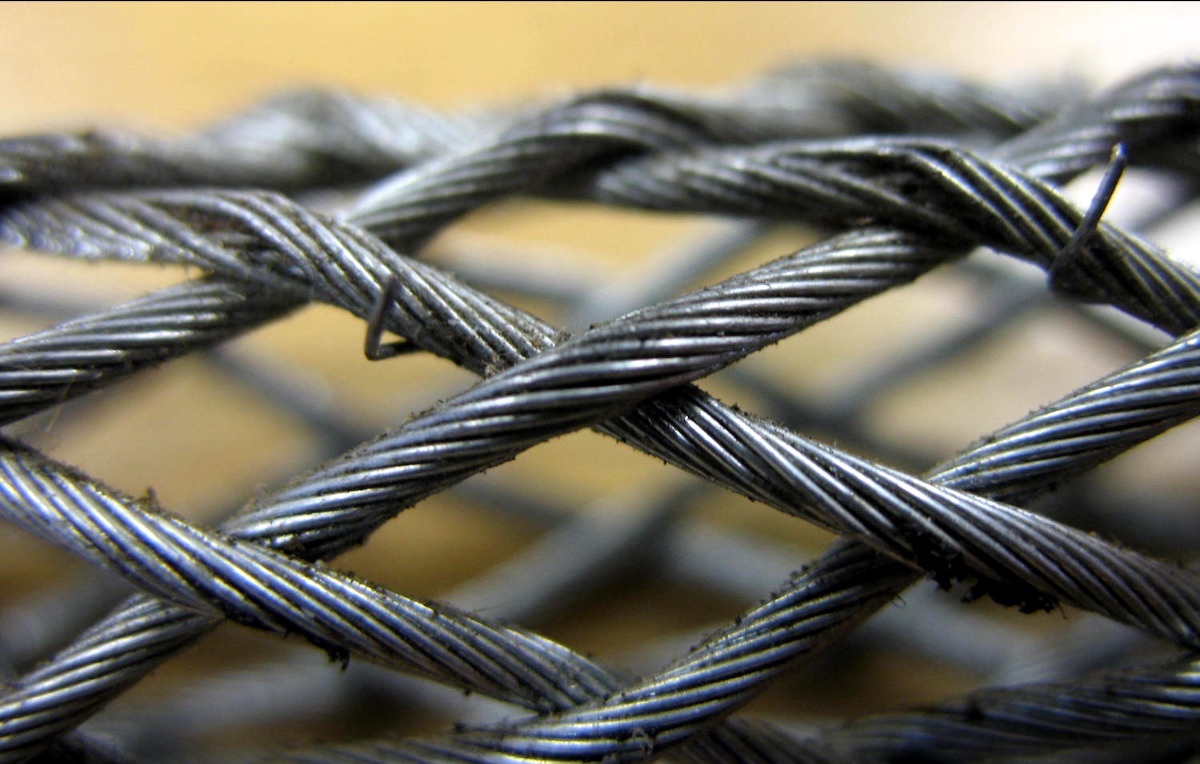
Inspecting a cable sock is crucially important to ensure safe pulling operations, maximum sock strength and performance.
LEARN MORE
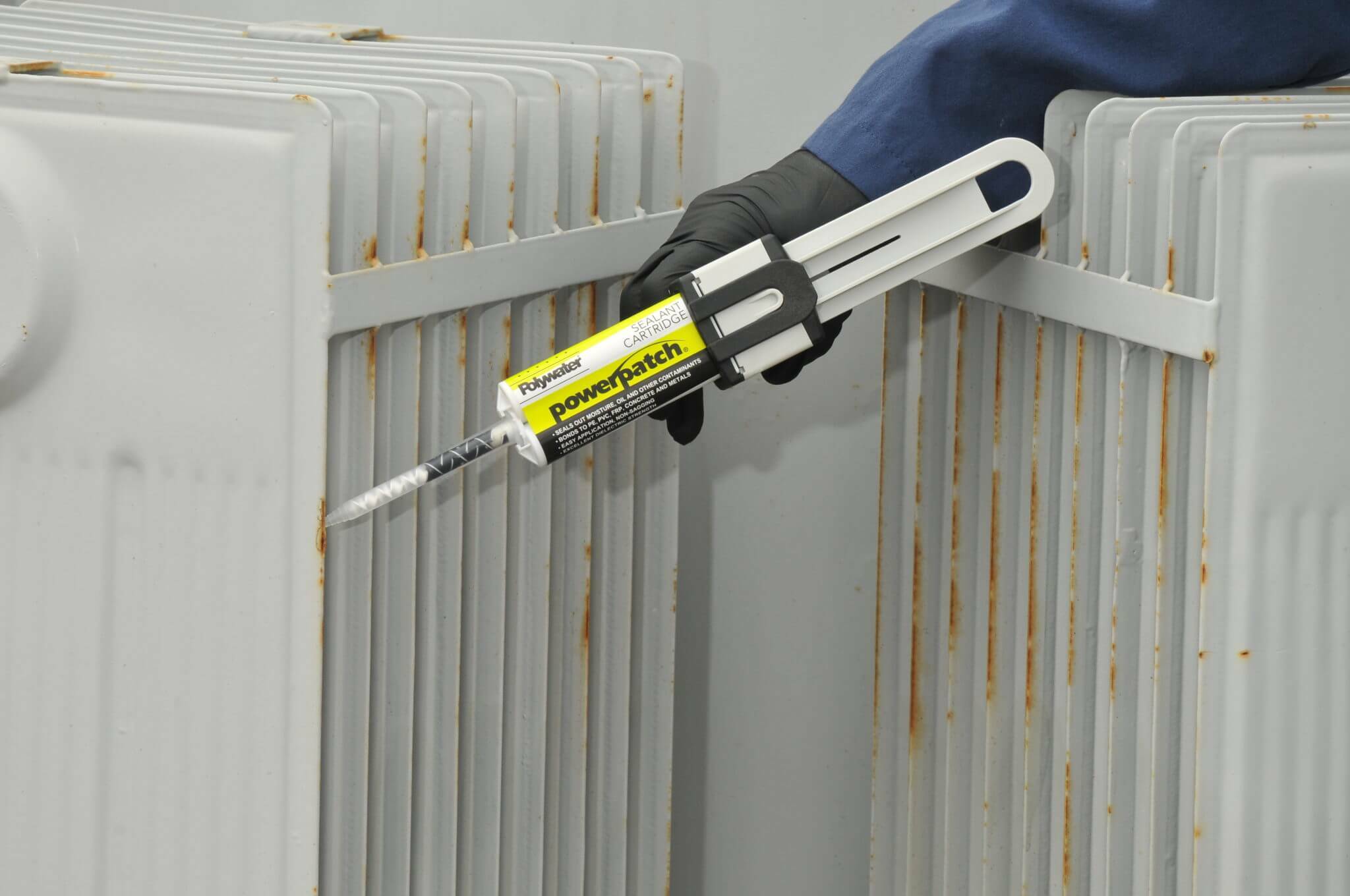
The fast and effective repair of power transformer oil or SF6 leaks is an important part of a consistent power supply that minimize economic losses for both power utilities and their customers.
LEARN MORE
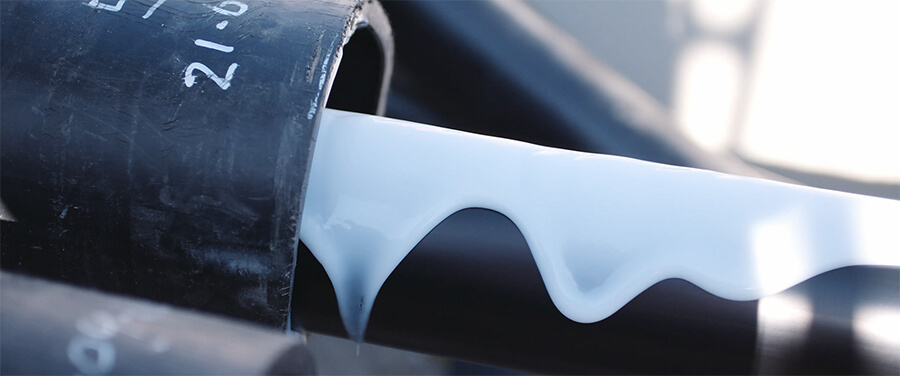
The most frequently asked questions regarding cable pulling and lubrication.
LEARN MORE
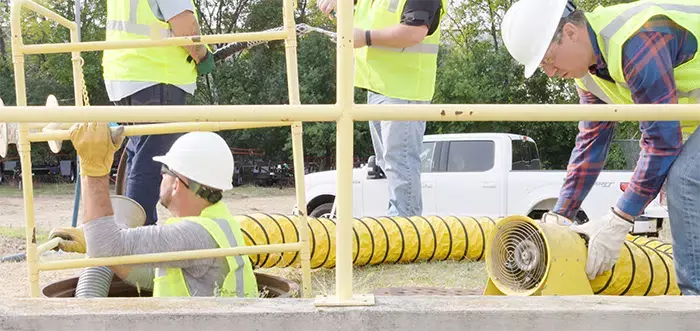
This guide to Understanding Exposure to Electrical Cleaning Solvent Vapors.
READ MORE
How much cable pulling lubricant is needed to safely install cable? The answer is simple...
READ MORE
Contact us
"Powerhowse Electric offers quality electrical supplies. Contact us today for more information or to place an order!"
Contact us